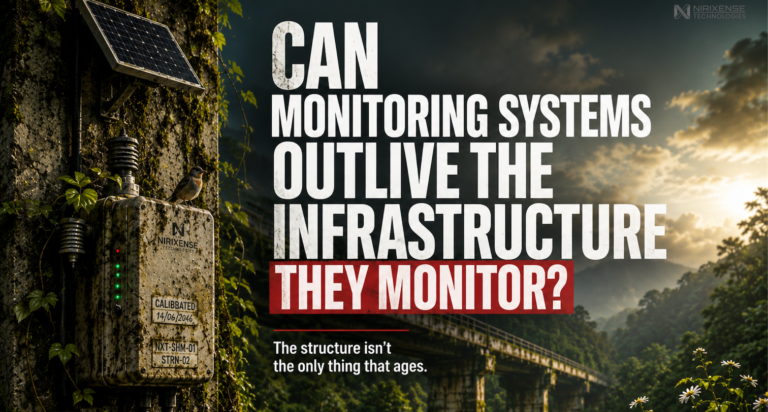
The 30-year paradox of infrastructure monitoring
Structural Health Monitoring (SHM) has become an increasingly important tool for managing long-life infrastructure, providing continuous insight into the condition of bridges, tunnels, dams and other critical assets. As sensing technologies, analytics and digital platforms continue to evolve, much of the discussion has focused on improving how structural data is collected and interpreted. Less attention, however, has been given to the long-term reliability of the monitoring systems themselves. While infrastructure is expected to remain in service for decades, the sensors, electronics and communication technologies monitoring it follow much shorter lifecycles. As SHM becomes a core part of lifecycle asset management, ensuring the reliability of the monitoring system over time may prove just as important as monitoring the structure itself.
